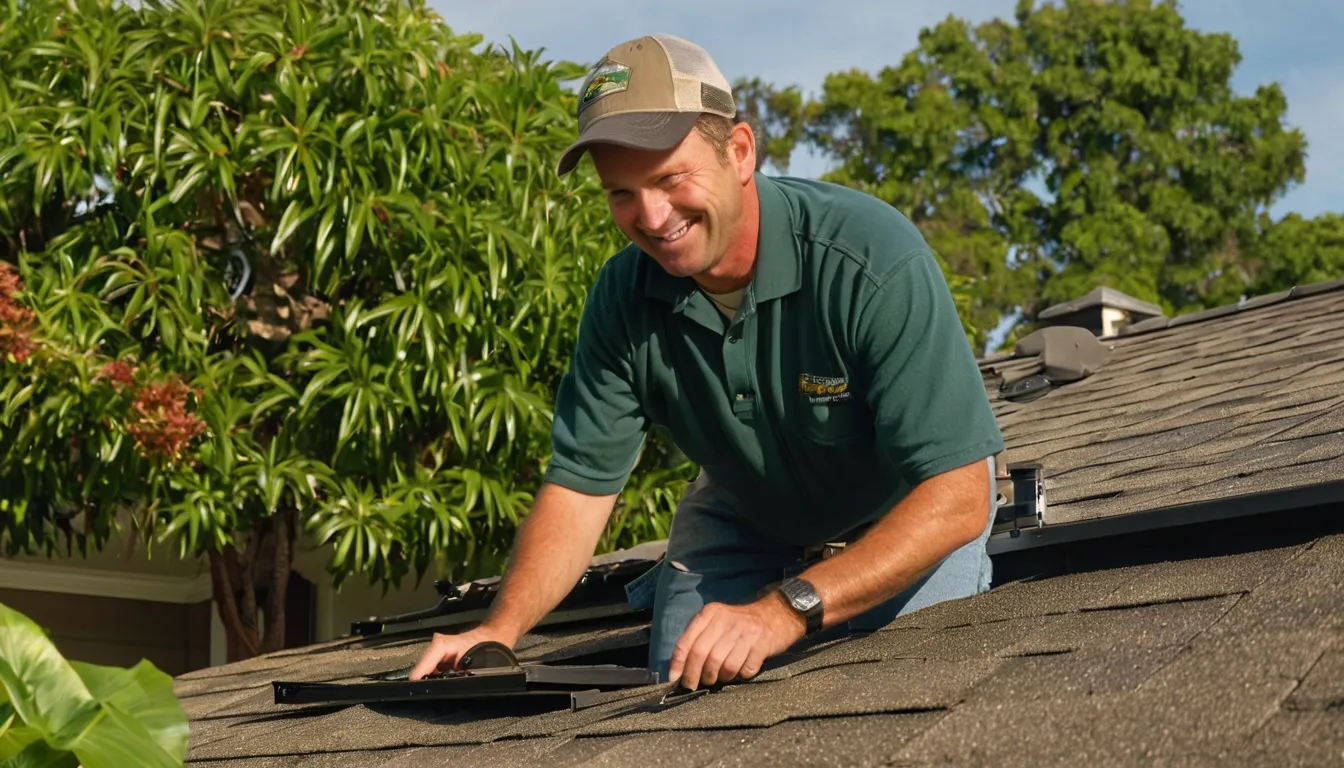
Rodent & Wildlife Removal Services in Plant City
Request an estimate today
Rats, mice, squirrels and other animals often move into attics, walls and soffits when the weather turns. In the Plant City area, storms, heat and high humidity send them looking for a dry, quiet place. This page walks you through the signs, the steps and the questions to ask.
Peoplesdr Pest Control is a referral service. We do not do the work. We connect homeowners with independent providers in our network who inspect, remove animals, seal entry points and explain the plan. You describe the problem, compare the estimate, then schedule a time that fits your household.
Noises in the Attic or Walls? Start Here
Scratching at night. Thumping overhead. A sour smell near a vent. These usually mean an animal has moved in.
Use this page as a checklist. First, note what you hear and where. Next, request an estimate. Then a provider in our network reviews the problem with you.
Peoplesdr Pest Control is a referral service. Independent local providers do the inspection and the work. We only make the match simple.
Check the Season
Weather drives animal behavior in the Plant City area. Almost daily summer storms and hurricane season, June through November, push rats, mice and squirrels toward dry attics and wall spaces. Cooler fall nights send more animals looking for warmth. Mild winters mean breeding rarely stops.
So timing matters. Plan the visit before the next storm window, not after it.
Why Quick Action Pays Off
- Rodents multiply fast. A few can become many in weeks.
- Chewed wires are a fire risk.
- Droppings and urine soak into insulation and leave odors.
- Damp weather makes damaged vents and roof edges worse.
- Babies may be inside in warm months. Waiting can make removal harder.
Many providers can respond quickly. Request a callback to check provider availability.
Signs to Watch For
Inside the home
- Scratching, scurrying or thumping, often at dusk or night
- Droppings that look like rice or small pellets
- Gnawed wires, boxes or food packaging
- Brown stains on ceilings
- A musty or sharp smell from the attic or a closet
Outside the home
- Chewed soffits, vents or roof edges
- Burrows near the slab
- Torn insulation or nesting material
- Droppings on the garage floor or patio
Common Animals Providers Handle
- Roof rats and Norway rats
- House mice
- Squirrels
- Raccoons and opossums
- Bats
- Birds nesting in vents
Each animal needs a different method. A good provider identifies the animal first, then picks the plan.
What Your Home Type Changes
Concrete block homes on slabs have no basement, so animals usually enter high or low. Look at the roof line, the garage and the places where pipes enter.
Tile roofs can leave gaps under edge tiles. Shingle roofs can have worn flashing or loose vents. Condos often share attic space, so a neighbor's problem can become yours. Tell your association if you suspect that.
How Removal Works
- First, inspect. The provider checks the attic, roof line and outside walls.
- Next, find entry points. Small gaps matter. A mouse fits through a hole the size of a dime.
- Then, remove the animals. Methods depend on the species and the season.
- After that, seal. Entry points get closed so new animals cannot follow.
- Last, clean up. Some jobs include droppings cleanup and insulation repair.
Humane Handling and Local Rules
Some animals are protected, and rules vary by state and city. Bats and nesting animals often have timing limits. Babies should not be separated from the mother.
Ask the provider how they handle this. A careful provider explains the local rules before any work starts.
Plan the Visit Around a Busy Household
Most of the work happens in the attic, on the roof or outside. Disruption is often low. Still, tell the provider about the details below.
- School runs and nap times
- Pets that need to stay inside
- Work-from-home calls
- Gate codes and attic access
Ask for a time window and a clear list of what to move first. Request the estimate now and pick a time that fits your week.
Before the Provider Arrives
- Write down when and where you hear noises.
- Take photos of droppings, stains or damage.
- Clear the path to the attic hatch.
- Keep pets away from the area.
- Do not block holes yourself. Animals may get trapped inside.
Choosing a Provider: Ask Before Booking
- Do you inspect before quoting?
- Is the quote in writing?
- Does the plan include sealing entry points?
- How do you handle babies and protected animals?
- What follow-up visits are included?
If you searched for an exterminator near me, remember that rodent work often combines trapping, sealing and cleanup. Compare plans, not just prices. Residential pest control for insects, including bed bug treatment, is a separate service with its own page.
Keeping Animals Out
- Trim branches at least a few feet from the roof.
- Store pet food and bird seed in sealed bins.
- Repair damaged soffits, vents and screens.
- Seal gaps around pipes and wires.
- Keep garage doors closed and seals intact.
- Empty trash outside regularly.
After a Storm
Check the season again after heavy wind. Look at the roof edges, vents and tiles or shingles for new gaps. A quick look can catch a small opening before an animal finds it.
If you hear noises in the following days, request a callback to ask about provider availability, or use the request form.
What's Included
Attic and Wall Inspection
A provider checks the attic, roof line and outside walls to identify the animal and find entry points.
Animal Removal
Providers use methods suited to the species and season, with attention to local rules.
Entry Point Sealing
Gaps near vents, pipes and roof edges are closed to help keep new animals out.
Cleanup and Repairs
Some providers clean droppings, replace soiled insulation and repair damage. Ask what is included.
Typical Rodent and Wildlife Removal Costs
Prices vary by animal, home size, roof access and how much damage there is. These are typical U.S. ranges only. Always ask for a written quote before work starts.
| Item | Typical range | Notes |
|---|---|---|
| Inspection | $100 – $300 | Some providers apply it to the job |
| Mouse trapping plan | $200 – $600 | Often includes follow-up visits |
| Rat removal | $300 – $900 | Depends on infestation size |
| Squirrel or raccoon removal | $300 – $1,000 | Babies and roof access raise cost |
| Entry point sealing | $300 – $2,500 | Depends on number and height of gaps |
| Attic cleanup and insulation | $1,500 – $7,000 | Varies with area and damage |
How It Works
Describe the Problem
Tell us what you hear, where you hear it and when it started. Photos help too.
Get Matched With a Provider
A local provider in our network reviews your details and contacts you about next steps.
Compare the Plan
Review the inspection, removal method, sealing work and follow-up visits in writing.
Schedule a Convenient Time
Pick a window that fits your household and the weather forecast.
Why Call Peoplesdr Pest Control
Matched With Local Providers
Independent providers in our network know local weather, roof types and animal habits.
Clear Plans
Compare what each provider will inspect, remove, seal and clean before you choose.
Low Disruption
Ask for time windows that fit school runs, work calls and pet routines.
No Obligation
Request an estimate, review the details and decide when you are ready.
Other Services
Need rodent & wildlife removal services in Plant City?
Request an estimate or email contact@peoplesdr.garden. Tell us what you see, and we will pass the details to a local provider in our network.
No obligationRodent & Wildlife Removal Services FAQ
How do I know if I have rats or mice in my attic?
Listen for scratching or scurrying at night. Look for droppings, gnawed wires and greasy rub marks. Rat droppings are larger than mouse droppings. A provider can inspect and confirm which animal it is.
Is it safe to seal the hole myself?
Not until you know the animal has left. Sealing a hole too early can trap animals inside, and they may chew new openings or die in the wall. A provider can check first and then seal.
Does homeowners insurance cover rodent or wildlife damage?
Often not for rodents, but policies differ. Some policies may cover sudden damage, such as a collapsed ceiling. Check your policy and ask your insurer. Providers can often help document damage for a claim.
Tell us what happened
Request an estimate or email contact@peoplesdr.garden. Tell us what you see, and we will pass the details to a local provider in our network.
No obligation